
Testing Superfeet High-Arch Cushion Insoles on the Run
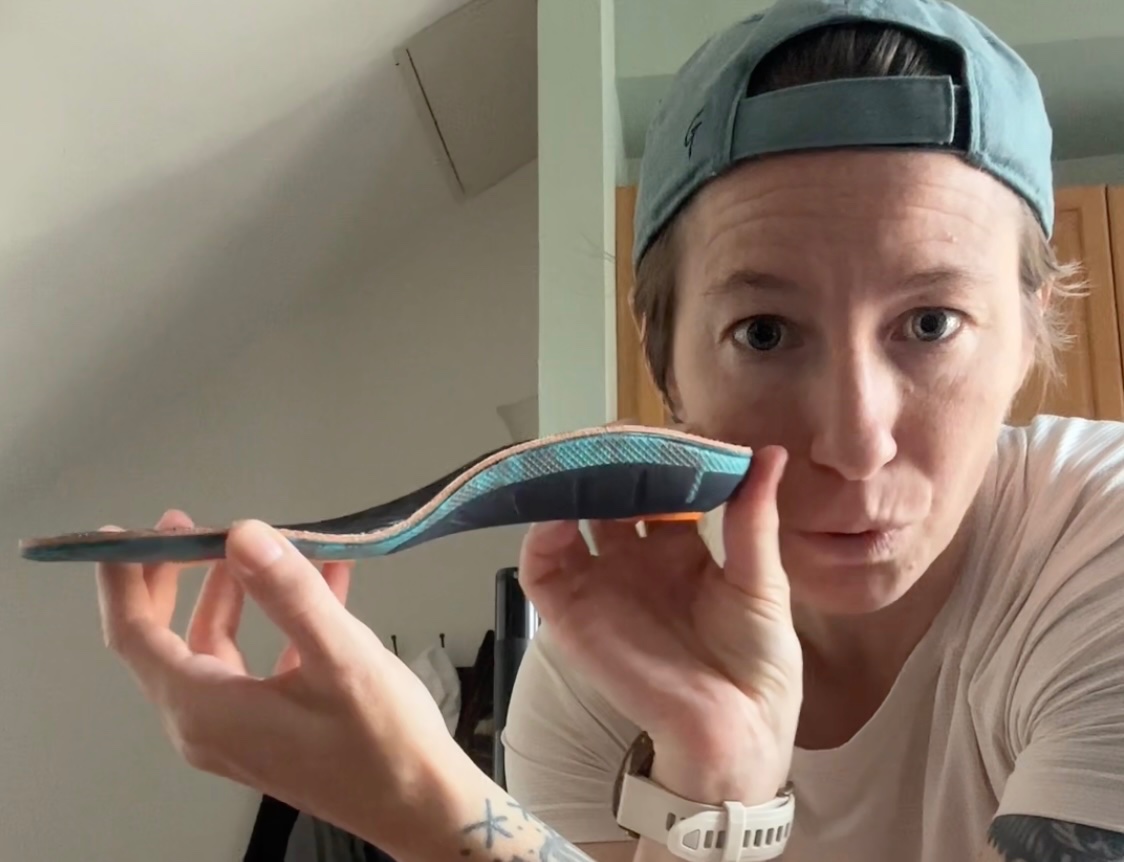
Running week after week puts a lot of demand on my feet.
That does not mean every ache needs a new product.
It does mean I pay attention to how my shoes feel, especially when I change mileage, terrain, or the amount of time I spend on my feet.
I recently tried a pair of high-arch cushion insoles from Superfeet on a short run.
The goal was simple: put them in my running shoes, head outside, and notice how they felt while moving.
Why I tried a supportive insole
The stock liner in a running shoe is usually thin.
It adds a little softness and covers the inside of the shoe, but it may not provide the shape or support every runner prefers.
An aftermarket insole changes that layer under the foot.
Depending on the model, it can add structure around the heel, support beneath the arch, or more cushioning through the length of the foot.
The right choice is personal.
A high arch does not automatically mean you need the firmest or tallest support available.
Foot shape, shoe volume, comfort, and the way the insole feels while running all matter.
I chose the high-arch cushion option because it matched the shape and underfoot feel I wanted to test.
Set up matters
Before running in a new insole, I compare it with the removable liner that came with the shoe.
The heel and forefoot should sit flat without curling.
If trimming is needed, the original liner makes a useful template.
Trace it carefully, trim a small amount at a time, and check the fit before cutting more.
The insole should not crowd the toes or cause the heel to sit too high in the shoe.
I also check the shoe with my usual running socks.
A thicker insole takes up more space.
That can change how tightly the upper wraps the foot, even when the shoe size stays the same.
Once the insole is seated, I lace the shoe normally and walk around first.
This gives me a quick read on obvious pressure points before I start running.
What I noticed on the first run
My first impression was comfort.
The cushioning felt noticeable without making the shoe feel unstable.
The arch shape felt supportive, and the heel stayed settled while I moved.
Most importantly, I was not thinking about the insoles once the run got going.
That is a good sign for any piece of equipment that sits inside a shoe.
It should support the run rather than demand attention.
This was a short first test, not a final verdict after a full training block.
Longer runs, steep descents, wet conditions, and repeated weeks will tell me more about durability and how the fit holds up when my feet are tired.
How to test a new insole
Start with an easy, familiar route.
Avoid introducing a new insole on race day or during your longest run of the week.
Pay attention to the heel, arch, toes, and overall shoe volume.
A supportive sensation is different from a sharp pressure point.
Stop if you feel pain, numbness, hot spots, or rubbing that gets worse as you continue.
Some runners prefer to build time gradually, especially when the shape feels different from their usual setup.
One short run can tell you whether the first impression is promising.
Several runs tell you much more.
For me, the first outing in the Superfeet high-arch cushion insoles was comfortable and light underfoot.
They made a strong first impression.
Now I want to see how they perform when the miles and terrain increase.