
How to Train for Mountain Running Without Mountains
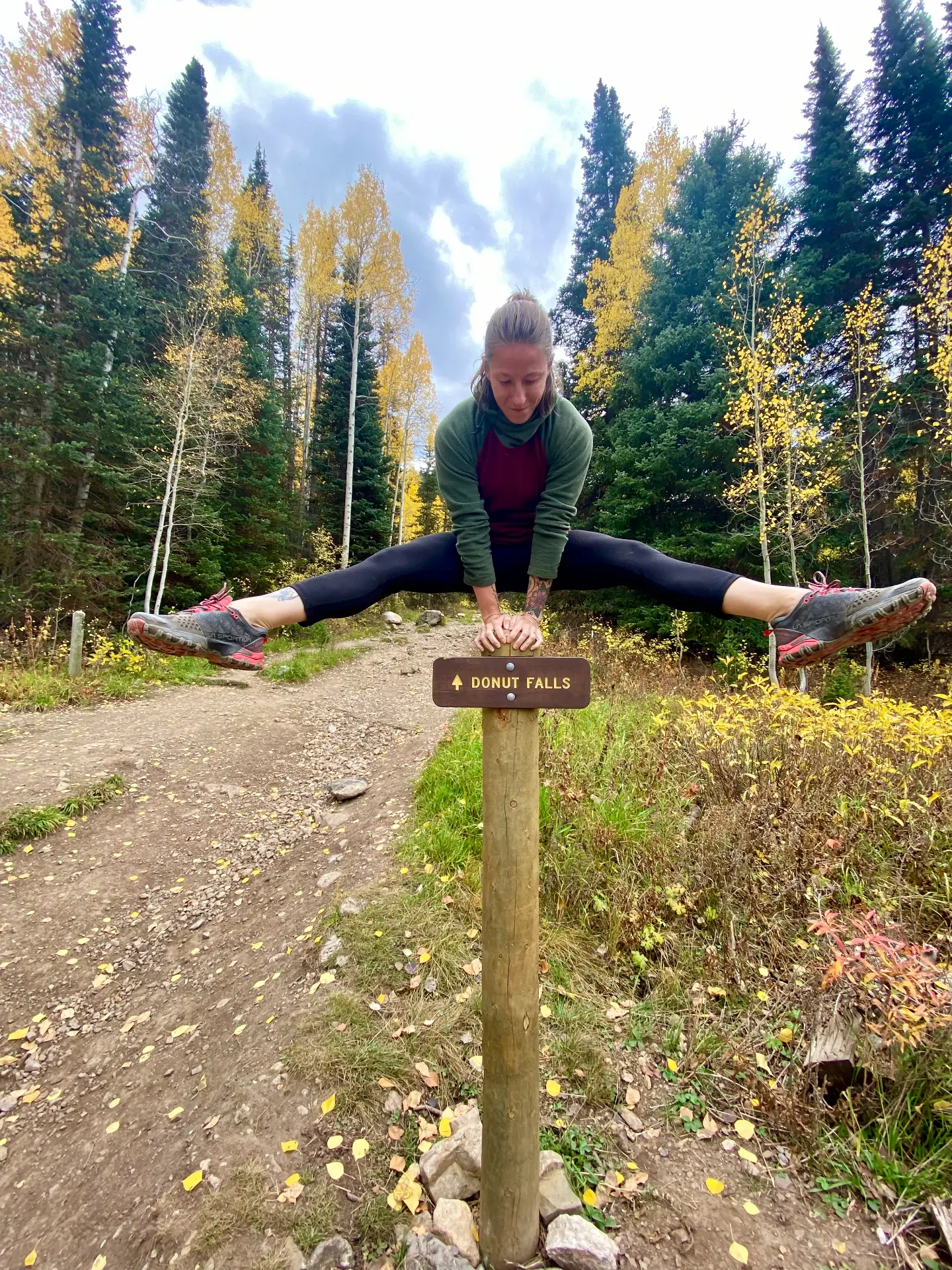
You do not need a mountain to train for climbing.
You need repeated uphill effort, legs that tolerate descending, and the patience to build both gradually.
The mistake is treating elevation gain as the whole workout.
Two runs with 1,000 feet of climbing can create very different demands, depending on grade, surface, duration, and how hard you descend.
Build around those demands, not just the number on your watch.
Make a small hill work harder
A hill that takes one to three minutes to climb is enough for useful mountain training.
Choose a repeatable route with secure footing and a descent you can manage without braking hard.
For your first session:
- Warm up with 15 minutes of easy running.
- Climb for 60 to 90 seconds at a controlled effort.
- Walk or jog back down.
- Repeat six times.
- Finish with 10 minutes easy.
The uphill effort should leave you able to speak a short sentence.
This is not a sprint session.
Keep your steps short and land with your foot underneath you rather than reaching uphill.
Lean slightly into the slope through your whole body, without folding at the waist.
When the grade makes running awkward, hike deliberately.
Strong hiking is a race skill, not a fallback.
Practice switching between running and hiking before your breathing becomes ragged.
On mountain climbs, an early transition often preserves effort better than forcing a slow, bouncing run.
After two or three comfortable sessions, add one or two repetitions.
Do not add repetitions, speed, and a harder descent in the same week.
If your hill gains 50 feet, ten climbs give you 500 feet of uphill practice.
Small loops count.
Use treadmills and stairs for sustained climbing
Short hills teach repetition.
An incline treadmill lets you practice climbing without the recovery break of a descent.
Start with 20 to 30 minutes of total uphill work inside an otherwise easy session.
One option is four five-minute blocks at an 8 to 12 percent incline, with two minutes easy between blocks.
Choose a speed that keeps your breathing controlled.
Hike if needed, and avoid holding the rails.
Supporting your weight with your arms changes the workload and makes the session less representative of trail climbing.
For a rough elevation estimate:
Feet gained ≈ miles traveled × 5,280 × grade as a decimal.
At 3 mph and a 10 percent grade, 30 minutes produces approximately 790 feet of climbing.
Treat that as an estimate, not a precision measurement.
Different treadmill displays handle distance and elevation differently.
Stairs are another useful tool, especially for hiking strength.
Use a public staircase where exercise is permitted, keep clear of other users, and walk down initially.
Try six two-minute climbs with easy recovery between efforts.
Use single steps until you can keep your hips steady and your movement smooth.
Taking two steps at a time increases the demand on each leg, but it is not automatically better training.
A stair machine can build climbing fitness, but it does not prepare your legs for downhill impact.
Train the descent, even without a long downhill
Climbing challenges your breathing.
Descending challenges your ability to absorb load, repeatedly, while placing your feet accurately.
That difference explains why strong flat runners can climb well and still struggle late in a mountain race.
On your short hill, begin with relaxed descents rather than fast ones.
Use quick, comfortable steps and look ahead to choose your line.
Avoid leaning backward and reaching a foot far in front of you.
That usually increases braking rather than control.
Add strength work twice weekly, starting with two sets of each:
- Step-downs: Six to eight per leg from a low, stable step, lowering for three seconds.
- Split squats: Six to eight per leg through a comfortable range.
- Calf raises: Ten to fifteen with straight knees, then bent knees.
Keep a little capacity in reserve.
The goal is consistent loading, not soreness that disrupts your next run.
Strength work supports downhill preparation, but it cannot fully replace running downhill on varied terrain.
When you can reach longer trails, prioritize controlled descending practice rather than chasing maximum elevation.
Fit vert into the week you already run
Replace a session before adding another.
For a runner training four days weekly, a workable pattern is:
- One controlled hill or incline session.
- Two easy runs, with short strength sessions afterward.
- One easy long run on available terrain.
Keep the long run mostly flat at first if the climbing session is new.
Track uphill minutes, approximate feet gained, and how your legs feel the following day.
Watch totals alone can be misleading on tiny repeated hills.
Back off if soreness changes your stride or discomfort builds during a session.
Mountain readiness comes from repeatable work.
A modest climb trained consistently is more useful than an occasional huge session you spend the next week recovering from.