
Fueling a 50K: What to Practice on Your Long Runs
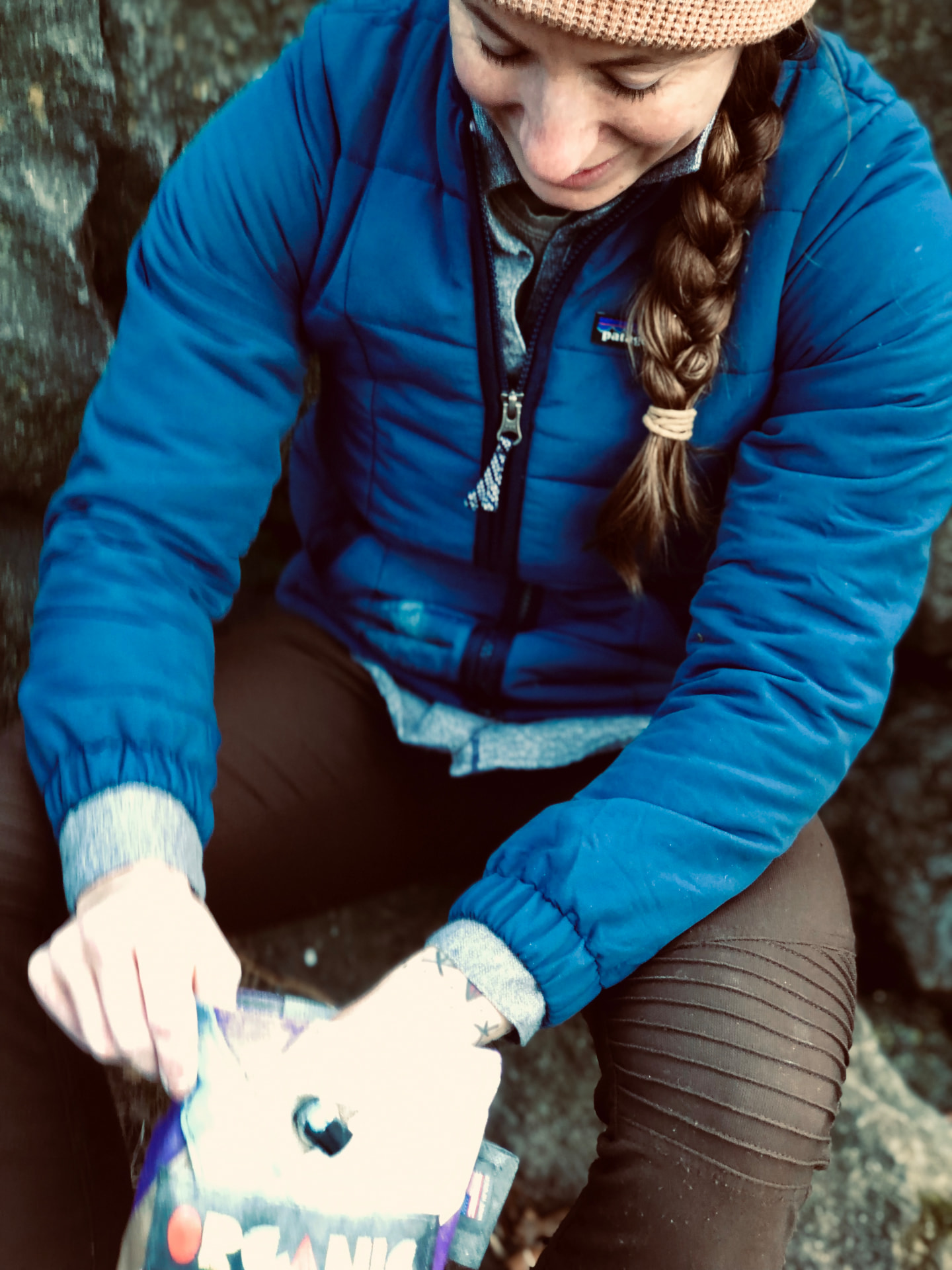
A 50K fueling plan needs to work when the trail gets steep, your hands are cold, and sweet food stops sounding good.
Knowing what to eat is only the starting point.
Training is where you learn how much you can tolerate, how to carry it, and when to eat without compromising your footing.
Use several long runs to build a repeatable system, not one big outing to test everything at once.
Build a carbohydrate target you can repeat
For many runners, a useful starting range is 40 to 60 grams of carbohydrate per hour.
Runners spending several hours on course may benefit from working toward 60 to 90 grams per hour, but the higher end requires practice and is not a requirement for finishing well.
If you currently eat very little while running, start closer to 30 to 40 grams per hour and increase gradually across training runs.
Count grams, not packages.
One gel might contain 20 grams of carbohydrate, while another contains 40.
Drink mix counts too.
A simple 60-gram hour could look like this:
- One 25-gram gel at 20 minutes.
- One 25-gram gel at 40 minutes.
- A measured serving of drink mix providing another 10 grams, sipped through the hour.
Start eating within the first 20 to 30 minutes rather than waiting until you feel depleted.
Smaller, regular servings are often easier to tolerate than a large catch-up feed.
Use a watch alert if you routinely forget.
For higher carbohydrate targets, products combining glucose or maltodextrin with fructose can help absorption, but tolerance still needs testing.
Keep your pre-run breakfast consistent during early trials.
You want to know whether the running fuel works, without changing breakfast, caffeine, and gels on the same morning.
Practice eating where the mountain allows it
On technical trails, the best feeding point is not always the exact minute your watch beeps.
Eat on a smooth stretch or a controlled hiking climb.
Avoid opening a wrapper or chewing as you enter a rocky descent that needs your full attention.
If a long technical section is coming, take your next serving a few minutes early when safe.
Practice this timing on terrain similar to your race.
A long run with 3,000 feet of climbing offers different fueling opportunities than a flat path, even if both take three hours.
Test your carrying setup as carefully as the food.
Can you reach a gel without removing your vest?
Can you open it with gloves?
Can you drink while holding poles, or do you need to secure them first?
Keep the next hour’s fuel accessible and use a separate pocket for wrappers.
Test one less-sweet option for later hours, such as small pieces of salted boiled potato or a soft rice-based snack.
Measure the carbohydrate before leaving.
A few bites of potato may taste excellent but provide much less fuel than the gel they replace.
Separate fluid needs from fuel needs
Your carbohydrate target may stay fairly steady while your fluid needs change with temperature, effort, and exposure.
That makes an all-in-one bottle strategy worth testing carefully.
If you drink less in cold weather, you may accidentally consume too little carbohydrate.
If you drink more in heat, a concentrated mix may deliver more carbohydrate than your gut tolerates.
Carrying some carbohydrate separately gives you flexibility.
For many runners, roughly 400 to 800 milliliters of fluid per hour is a reasonable testing range, not a quota.
Adjust to thirst, conditions, and your observed needs rather than forcing bottles down.
Do not aim to replace every drop of sweat.
Overdrinking can cause dangerous low blood sodium, and taking salt does not prevent that if fluid intake is excessive.
For long, sweaty outings, an electrolyte drink providing roughly 300 to 600 milligrams of sodium per hour can be a starting point to test.
Needs vary widely.
Check labels and include sodium from food rather than automatically adding salt capsules.
Rehearse the whole system and keep notes
Use a three-run progression:
- Establish a comfortable hourly intake with familiar products.
- Repeat it on race-like terrain, changing only one variable if needed.
- Rehearse breakfast, vest packing, fueling intervals, and refills on a scheduled long run.
You do not need to run 50K in training to test your plan.
After each rehearsal, record duration, weather, carbohydrate per hour, fluid intake, and any stomach symptoms.
Note when problems started and what happened just before them.
Nausea after a hard climb may reflect intensity as well as food choice.
Test what remains appealing late in the run, not just what tastes good at the kitchen counter.
Before race day, write a simple hourly plan and identify where you will refill.
Carry a little extra fuel for slower-than-expected sections.
The goal is not a perfect spreadsheet.
It is a fueling routine you can keep using when the trail demands your attention.